
A Rebuilding County
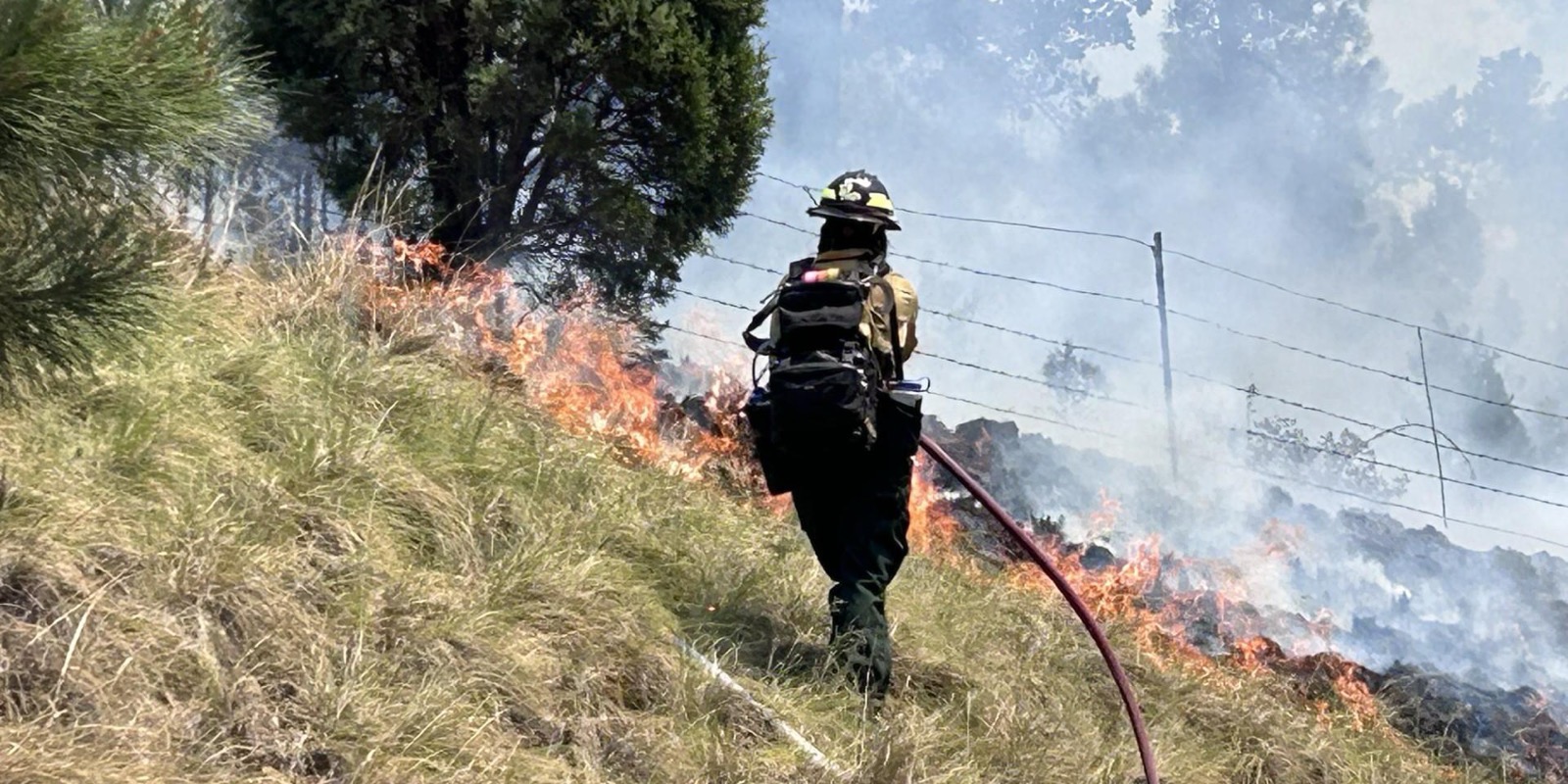
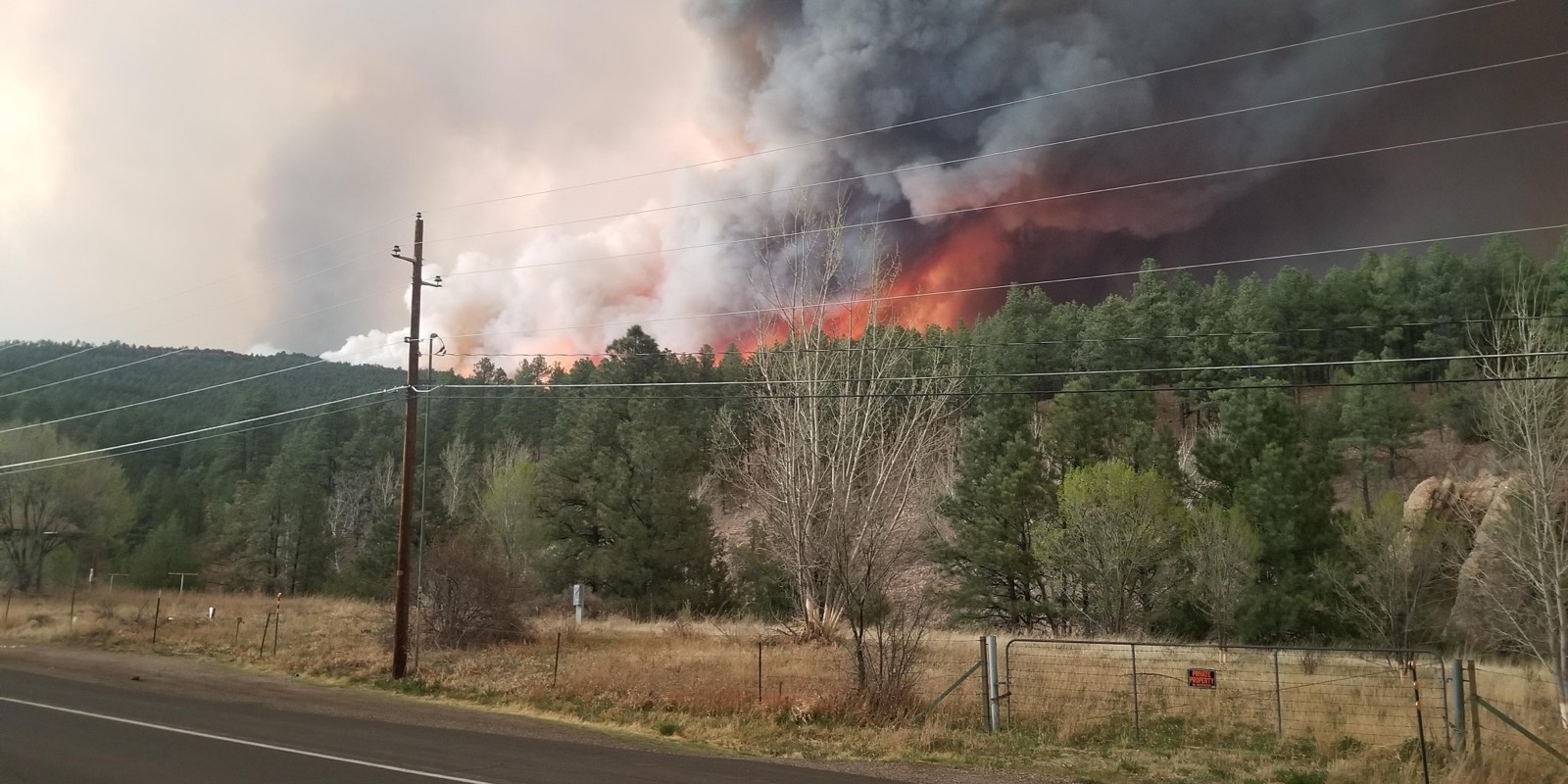
The numbers tell the story. The Census Bureau’s Building Permits Survey counted 111 single-family homes authorized in Lincoln County in 2025, with a combined valuation of $54,581,405. The year before it was 88 units and $45,912,526. Behind those permits are the 744 residences FEMA counted as destroyed in the 2024 South Fork and Salt Fires, and the more than 200 homes the Village of Ruidoso lost in the 2022 McBride Fire.
A lot of our neighbors are building right now. Most of them are building on a lot that already burned once, in a county where the next fire season is never far off. And a surprising number of them have no coverage on the structure going up.
The Gap Nobody Mentions at the Lumber Yard
Here is the problem. Your homeowners policy covers a house. It does not start until there is a finished house to cover, and most carriers will not issue one on a structure under construction. Your contractor carries general liability, which covers injuries and damage the contractor causes to other people. It does not cover the building itself if it burns, blows down, or is stripped of its copper on a Saturday night.
So between the slab and the certificate of occupancy, the most exposed structure on the mountain, open framing, stacked lumber, no roof, no sprinklers, and a subcontractor with a cutting torch, is frequently uninsured.
Builder’s risk is the policy that fills that gap.
What It Covers
A builder’s risk policy insures the structure while it is being built, plus the materials that will become part of it.
- The building under construction, including foundations, framing, and installed finishes, against fire, wind, hail, lightning, vandalism, and theft.
- Materials and supplies on site, in transit from the supplier, and in temporary storage.
- Theft of installed materials, which after a fire is a real problem: copper, appliances, and fixtures walk off half-built houses.
- Soft costs after a covered loss, such as extra interest on the construction loan, re-permitting fees, and architect and engineer fees to redesign.
- Temporary structures, scaffolding, and forms.
It can be written on a ground-up build, on a major remodel or addition, and on a commercial project. The term is matched to the construction schedule, and it can be extended if the build runs long, which up here it usually does.
Who Carries It
Either the owner or the contractor can be the named insured. On an owner-financed rebuild, the owner usually carries it. On a contract build, the contractor often carries it and bills it into the job. Either way, the lender will almost always require proof of builder’s risk before releasing construction draws, and they will want to be named on the policy.
If you are not sure who has it on your project, the honest answer is often nobody. Ask. It is a five-minute phone call to find out.
The Mountain Version
Writing builder’s risk in a high-fire county takes a little more than filling in a form. Carriers want to know the lot has been cleared, that the water supply is in before the framing goes up, and that the build will not be sitting open through peak fire season. We know which carriers write it here and what they ask for, and we will put the file together with you.
The other thing we watch is the conversion. The day you move in, the builder’s risk policy ends and the homeowners policy has to begin, with no gap. We line up the homeowners quote while the house is still under construction, so the switch happens on the certificate of occupancy and not a week later when somebody remembers.
Before You Break Ground
If you are rebuilding, building new, or starting a remodel bigger than a bathroom, talk to us before the first draw. Builder’s risk is one of the least expensive policies we write, and it protects the largest single investment most of our clients will ever make.
.jpg)