Big Country, Spread Thin
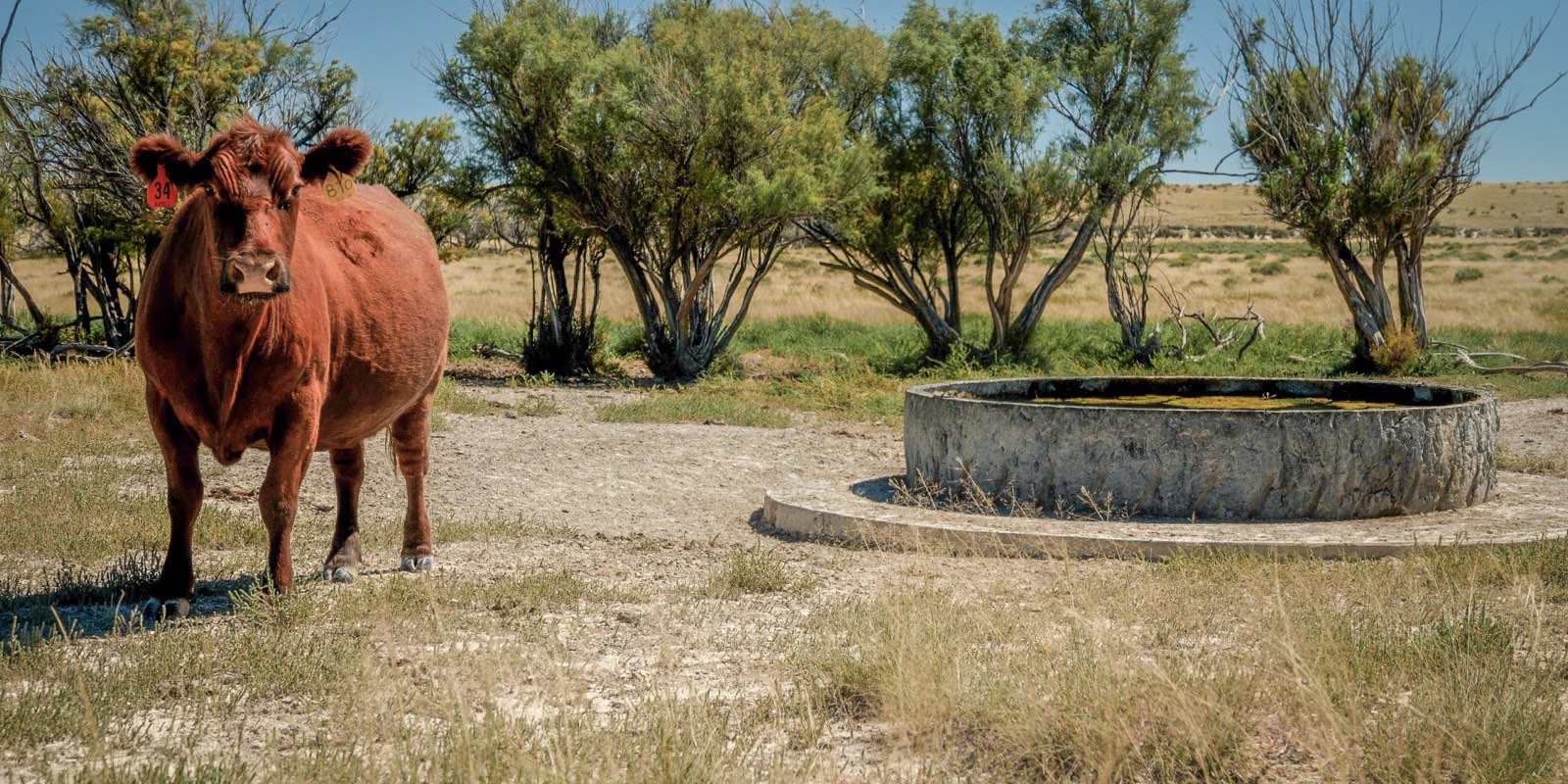
The 2022 Census of Agriculture counts 359 farms in Lincoln County. Together they cover 1,430,994 acres, an average of 3,986 acres per operation, and they run 30,556 cattle and calves. The county itself is 4,831.12 square miles with 4.2 people per square mile. That is a lot of fence line, a lot of outbuildings, and a long way from the nearest fire station.
It is also a lot of property that a standard homeowners policy does not cover.
Where the Homeowners Policy Stops
A homeowners policy is built for a house on a lot. It covers the residence, a modest amount for “other structures,” your personal belongings, and your personal liability. It specifically excludes business activity, and in the eyes of an insurance company, running cattle is a business.
That means on a typical mountain ranch, the homeowners policy does not cover:
- The barn that may be worth more than the house, or the hay stored in it.
- The tractor, the baler, and the stock trailer.
- The herd, or the horses.
- Farm liability: the neighbor’s claim when a bull gets through the fence, the guest who is thrown from a horse, the hired hand who is hurt on the place.
- Fences, corrals, and water systems.
We see this most often with the family that bought forty acres and a barn and is still insuring it as a house. Nothing is wrong until something happens, and then nothing is covered.
What a Ranch Policy Does
A farm and ranch policy is a homeowners policy, a commercial property policy, and a liability policy written as one, on a form built for an agricultural operation. It covers:
- The dwelling and contents, the same as a homeowners policy.
- Outbuildings, scheduled individually or on a blanket limit: barns, shops, hay storage, loafing sheds, well houses.
- Farm machinery and equipment, scheduled or blanket, including while it is in the field or on the road.
- Livestock, for named perils such as fire, lightning, and vehicle collision, with options for mortality, theft, and coverage in transit.
- Farm liability, including animal liability, guest-rider exposure, and farm employees.
- Commercial auto for the ranch trucks and stock trailers.
We write it for the working cattle operation on a Forest Service allotment and for the hobby place in Alto with four horses and a hay barn. The form scales; the exposures are the same, just smaller.
The Fire Next Door
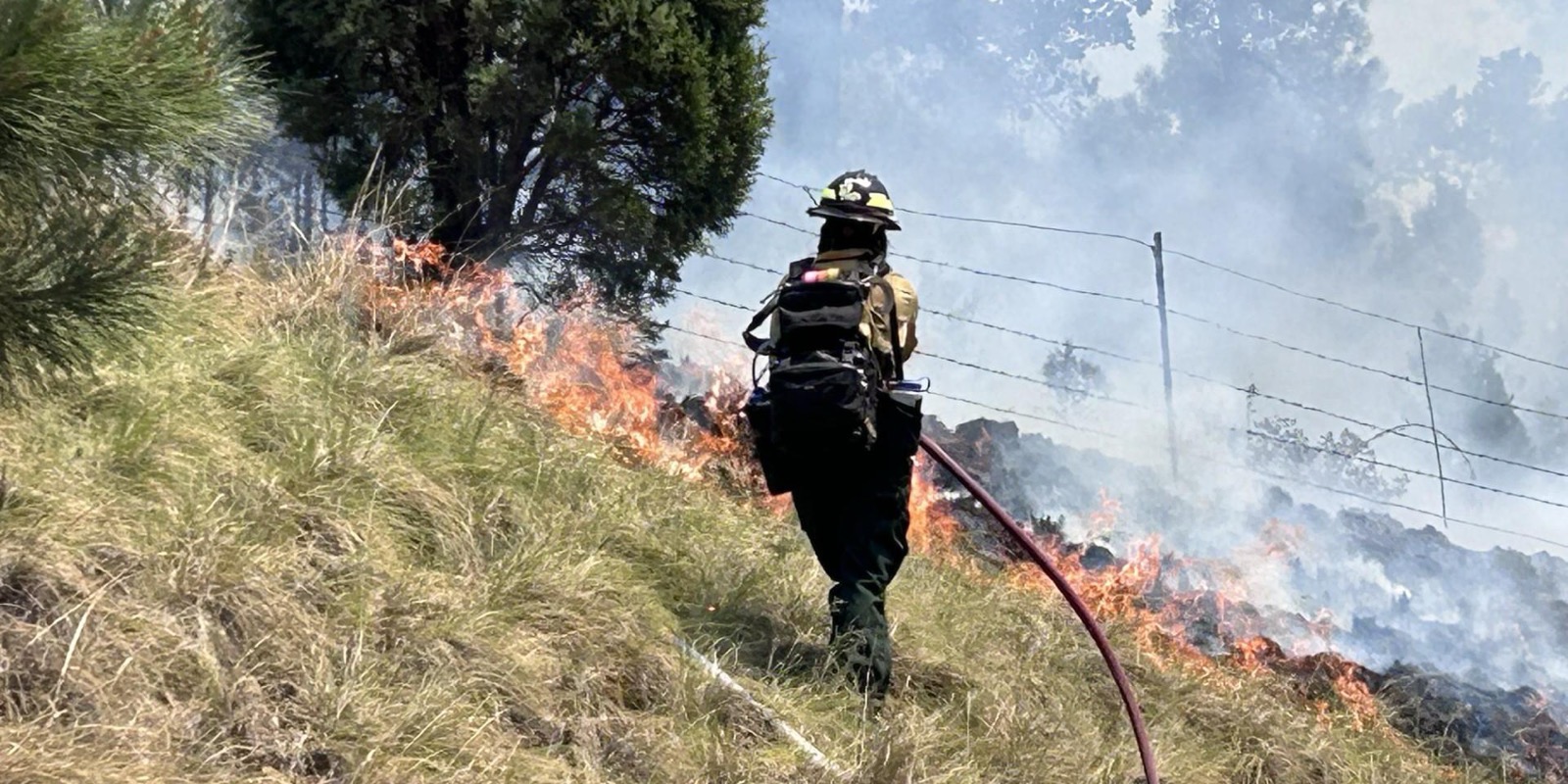
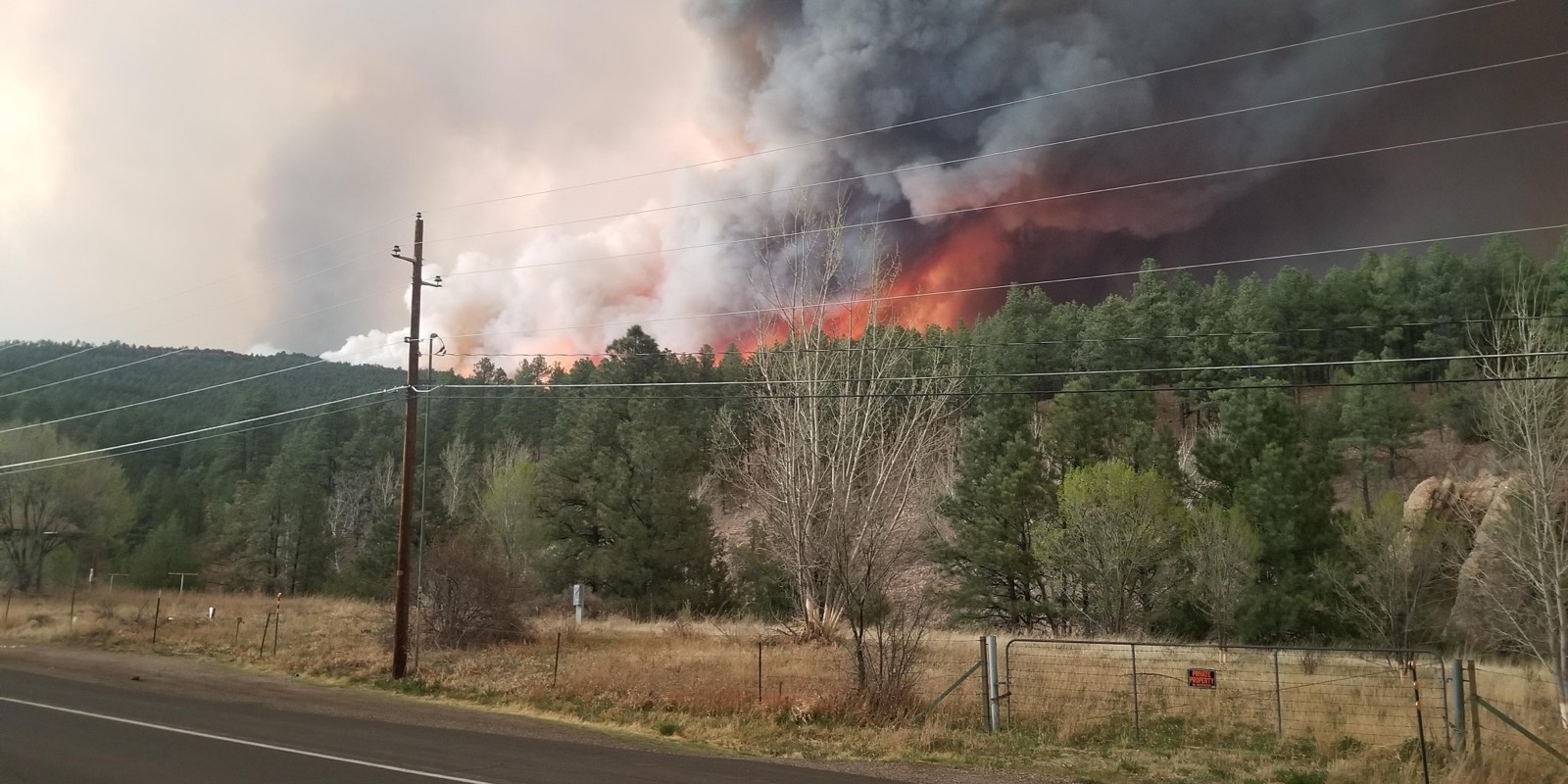
Everything about insuring property in Lincoln County comes back to wildfire, and a ranch has more of it than a house. In 2022, New Mexico burned 859,906 acres across 748 fires, the second-highest total of any state. Grazing land burns. Fence burns. Hay barns burn fast. And a fire that starts on your ground, from a welder or a brush pile or a vehicle, can become your liability when it crosses the line.
Carriers that write ranch property here want to know the same things they ask on a house, applied to the whole place: defensible space around the residence and the barns, metal roofs on the outbuildings, a water source, and the road in. They also want a fair schedule of the buildings and equipment. A ranch that cannot tell us what it owns is a ranch we cannot insure correctly.
The Liability Nobody Thinks About
The claim we worry about most on a ranch is not the fire. It is the cow on the highway.
Livestock on a fence line next to Highway 48 or Highway 70 is a liability exposure every day of the year. A car hits a cow at night and the driver is badly hurt, and the first question the attorney asks is who owns the animal. Farm liability on a ranch policy is what answers that question. A homeowners policy will not, and an umbrella written on top of a homeowners policy will not either, because it follows the underlying exclusion.
If you run cattle anywhere near a paved road, this is the coverage to get right first.
Where to Start
Bring us a list of the buildings, the equipment, the vehicles, and roughly how many head you run. We will walk the place with you, on the ground or on a map, and build a schedule that reflects what is actually out there. Then we shop it across the carriers that still write ranch property in a high-fire county, and we tell you which one you are in.
Ask us for a ranch quote. It is a longer conversation than a house, and it is worth having before the next fire season.
.jpg)